22nd
Dec 2025
Sir Stephen Timms states that after a pilot involving three councils, a further 38 local authorities will now adopt new powers allowing them to reclaim rent from landlords who have housed benefit-claiming tenants in unlicensed properties.
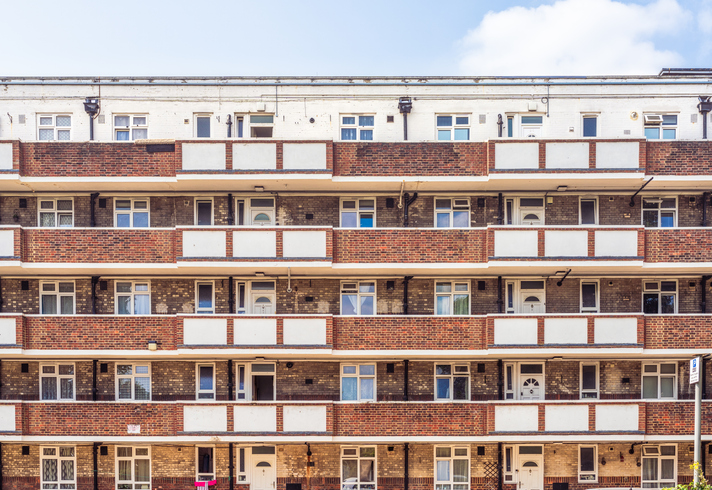
Landlords who let unlicensed properties to tenants receiving benefits will soon be subject to a new national enforcement scheme, under which councils will be able to pursue Rent Repayment Orders (RROs) on behalf of those tenants to recover public funds.
A trial involving three local authorities — including Camden in London — has been running for several months. Ministers have now confirmed that the initiative will be rolled out to 38 additional councils, among them major cities such as Leeds, Nottingham, Middlesbrough, Plymouth, Bristol, Oxford, Peterborough, Portsmouth and Coventry.
Despite some ministers say the focus will be on tackling “rogue operators”, in practice many Rent Repayment Orders are issued against landlords who were unaware that a licence was required rather than deliberately avoiding the rules. Licensing boundaries can also be highly inconsistent — with one side of a street falling within a scheme and the other outside it — making compliance far from straightforward.
Ordinarily, RROs are pursued by private tenants through a Tribunal when they believe their landlord has failed to licence a property under local HMO or selective licensing rules. Under the expanded programme, however, councils will be able to seek an RRO themselves to recover housing benefit paid to landlords not only where a property is unlicensed, but also where an Improvement Order has been ignored or issues such as damp and mould have not been addressed.
At present, tenants can reclaim up to 12 months’ rent through an RRO. When the Renters’ Rights Act comes into force on 1 May, that limit will rise to 24 months, regardless of whether the application is made by a tenant or a council.
Minister for Social Security and Disability Sir Stephen Timms, says: “Thanks to this pilot, private renters in receipt of housing support will have stronger protections against landlords who fail to meet public standards.
“No-one should live in unsafe or unsuitable housing. We are giving local authorities the tools they need to deter bad housing practice and ensuring better value for money by upholding safe standards.
“Enforcing better standards will drive up living standards through incentivising better practice in the future, as well as protecting taxpayer cash.”
A central element of the crackdown is the new data-sharing arrangement between the DWP and local authorities, allowing councils to match tenants receiving housing support with their own HMO and selective licensing records to identify unlicensed properties.
News Archive »